Carpenter Ant Redwork Embroidery Review
As an experienced embroidery designer, I’m always on the lookout for unique and high-quality digital embroidery files that can elevate my handmade products. When I came across Carpenter Ant Redwork on Creative Fabrica, I was intrigued by its bold red-on-white aesthetic and potential for a variety of projects. After putting it through its paces in several real-life applications, I want to share my honest review with fellow embroidery designers, Etsy sellers, and creative entrepreneurs who are considering this design for their own collections.
First Impressions and Design Personality
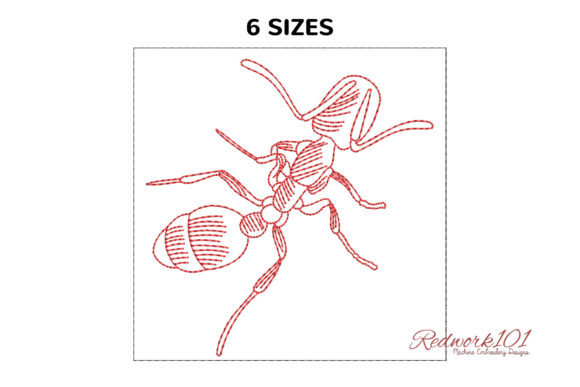
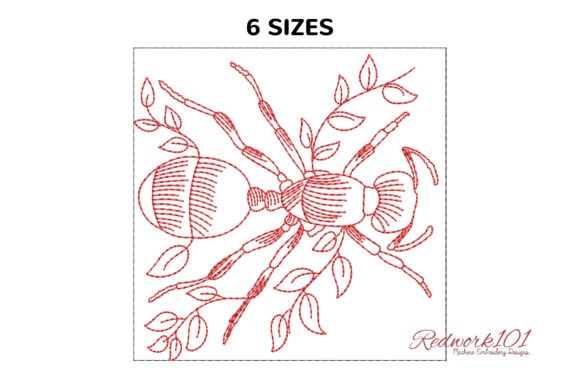
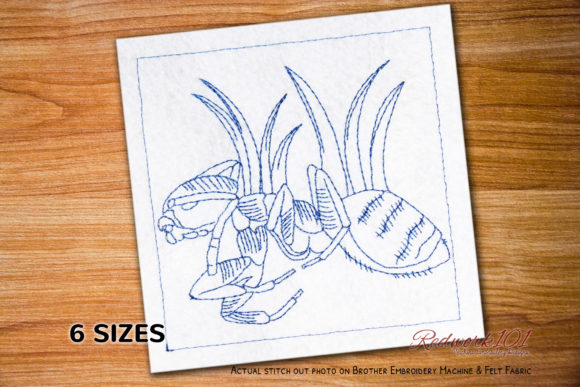
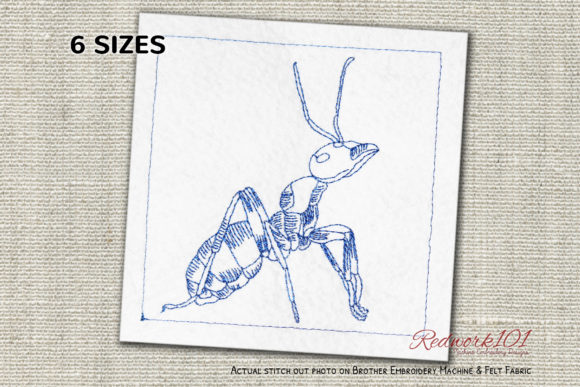
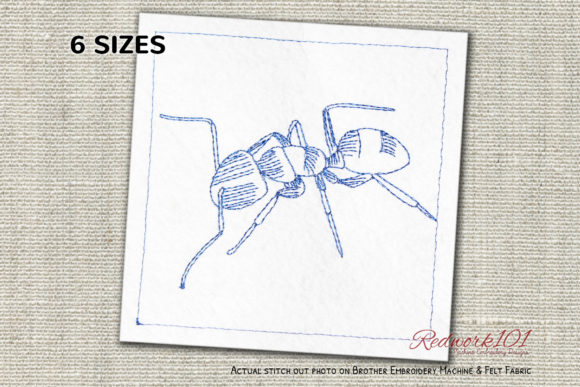
The redwork style of Carpenter Ant Redwork immediately caught my attention. This design has a classic, whimsical feel—perfect for those who love traditional bug motifs but want them to stand out with a pop of color. The visual mood is playful yet sophisticated, making it suitable for both casual and curated items. It features clean lines, minimal shading, and a strong silhouette that gives it a timeless appeal.
What I appreciate most is the stitching personality. The red thread pops beautifully against white or light-colored backgrounds, creating a striking contrast that’s easy on the eyes. While the box stitch shown in the preview is optional, the design allows for flexibility in how you frame or present the ant. For instance, if the outer box isn’t part of your intended look, you can easily skip it without disrupting the overall composition.
Real Project Applications
I tested Carpenter Ant Redwork on multiple substrates and product types to evaluate its versatility and performance. Here’s how it fared:
- Tote Bags: The design worked exceptionally well on cotton canvas tote bags. The bold red thread created a clear focal point, which is great for branding or adding a fun detail to reusable shopping bags.
- Sweatshirts: On a medium-weight fleece sweatshirt, the stitch density was just right—dense enough to hold up after washing but not so thick that it caused puckling or fabric distortion.
- Baby Items: When used on a muslin baby blanket, the design maintained its clarity and charm. The softness of the fabric complemented the delicate nature of the redwork, giving it a gentle, hand-stitched appearance.
- Aprons: The Carpenter Ant design added a quirky touch to a cotton apron. It stitched smoothly into the seams and didn’t interfere with the functionality of the item.
- Kitchen Towels: As a decorative element on a linen kitchen towel, the red ant stood out nicely, especially when paired with minimalist text or small flourishes.
- Pillow Covers: Stitched onto a 16" square pillow cover using satin and fill stitches, the design brought a sense of character and whimsy that would fit perfectly in nursery decor or farmhouse-style interiors.
- Embroidered Patches: I created a patch version using an applique technique. The result was a durable and visually appealing patch ideal for denim jackets or backpacks.
- Custom Apparel: On a fitted t-shirt, the design stitched cleanly and looked professional. It’s perfect for boutique merchandise or seasonal handmade gifts where a subtle bug motif adds personality.
Practical Considerations for Use
While Carpenter Ant Redwork is visually charming, it’s important to consider how it will perform under different conditions. Here are some practical insights based on my testing:
Small Hoop Sizes and Tiny Lettering
This design includes intricate details like tiny legs and facial features. If you're working with small hoop sizes (e.g., 4"x4"), these elements may require some adjustment or zooming to maintain clarity. I recommend checking the file on scrap fabric before finalizing any project to ensure the smallest parts don't get lost in translation.
Dense Stitch Areas and Textured Fabrics
The body of the ant is composed of denser stitch areas, which could pose challenges on textured fabrics like flannel or burlap. In such cases, using a cutaway stabilizer helped prevent distortion and ensured a smooth finish. If you're working with stretchy knits, be sure to use a T-stabilizer and test the tension carefully to avoid pulling or skipping stitches.
Dark Fabric and Contrast
Although redwork traditionally works best on white or light-colored backgrounds, I experimented with a navy-blue fabric. The red thread still provided good visibility, though the contrast wasn’t as sharp as on lighter tones. For dark fabrics, consider using a white backing stitch or contrasting thread colors to enhance legibility and impact.
Curved Surfaces and Caps
When I tried this design on a curved surface like a baseball cap, the placement required careful alignment due to the curvature. The design adapted well when adjusted to the shape, but keep in mind that complex shapes might need resizing or reshaping for optimal results.
Design Quality and Licensing Clarity
One of the things I value in an embroidery file is how clearly the creator presents the design assets. With Carpenter Ant Redwork, the instructions were helpful: the outer box is a separate element and can be omitted unless it's integral to the design. This level of transparency makes it easier to adapt the design to various projects without confusion.
Before using any Creative Fabrica embroidery file for commercial purposes, I always check the licensing page. Since this file is intended for commercial use, it's a solid choice for selling finished products, whether on Etsy, at craft fairs, or in a small retail shop.
How This Design Can Enhance Your Products
Incorporating Carpenter Ant Redwork into your handmade product line can significantly boost visual appeal and customer engagement. Its simple, elegant style fits well into personalized gifts and sweatshirt embroidery, particularly for kids or nature-themed items. The design also supports brand consistency if you’re building a collection around bugs or insects.
For handmade product photography, the red color stands out against neutral backdrops, making it an excellent candidate for listings. Customers tend to gravitate toward designs that are both functional and eye-catching, and this one does both.
Embroidery Tips for Best Results
- Test on Scrap Fabric: Always stitch a sample first, especially if you're planning to use it on delicate or stretchy materials.
- Check Thread Color Contrast: Ensure the red thread complements your chosen fabric. Darker threads may lose definition; brighter ones can add more flair.
- Review Stitch Density: Adjust stitch density slightly depending on the fabric weight to avoid puckling or thinning.
- Confirm Hoop Size: Measure your project to determine if the design fits within your available hoop dimensions.
- Compare Light and Dark Mockups: Use printable mockups from Creative Fabrica to visualize how the design will appear on different background colors.
- Use Proper Stabilizer: Especially on stretchy or lightweight fabrics, a good stabilizer is key to preserving the integrity of the design.
- Inspect Small Details Post-Stitching: Zoom in and examine the fine lines and facial features to ensure they've come out crisp and clear.
- Verify File and License Info: Before moving forward with any commercial embroidery project, double-check the product page for format compatibility and usage rights.
Final Thoughts for Embroidery Designers and Crafters
Carpenter Ant Redwork is a standout addition to any embroidery designer’s library. Whether you're crafting a tote bag design, embellishing a baby blanket, or creating custom patches for a client, this design brings a touch of creativity and charm. It’s particularly well-suited for bugs-themed embroidery projects, offering a fresh take on a classic style.
If you're looking for an embroidery file that balances simplicity and visual interest, while maintaining the ability to adapt across various materials and products, then Carpenter Ant Redwork is definitely worth exploring. Just remember to follow the basic embroidery best practices to ensure the final result reflects the quality of your work—and your customers’ expectations.