Camera Applique Design: A Practical Embroidery Review
As an experienced embroidery designer and product reviewer, I always look for designs that not only stand out visually but also perform reliably in real-world applications. The Camera Applique Design caught my attention with its theme and promise of multi-machine compatibility. Before adding it to a project or recommending it to clients, I wanted to evaluate how well it translates from screen to stitch — especially when applied to common handmade items like custom apparel, tote bags, and even baby clothes.
First Impressions: Visual Personality and Theme
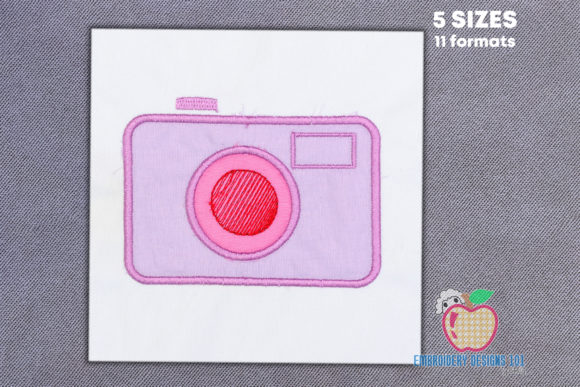
The Camera Applique Design has a clean, modern silhouette that immediately evokes a sense of adventure and creativity. It’s stylized enough to feel unique but simple enough to remain versatile across different products. The layout is centered and balanced, making it easy to position on garments or accessories without worrying about awkward alignment. What stands out most is the use of color-separated steps, which simplifies the embroidery process by reducing confusion during changes.
I found the detail level to be just right — enough definition to make the design recognizable at a glance, but not so intricate that it becomes overwhelming. This makes it ideal for casual, everyday projects where clarity and charm are key. The mood it conveys is perfect for vacation-themed items, travel gifts, or any project aimed at hobbyists who enjoy expressive, thematic stitching.
Real-Life Applications: Where This Design Shines
One of the first projects I considered using this design for was a custom sweatshirt for a photography enthusiast. The bold shape and moderate stitch density made it suitable for both cotton and cotton-blend fabrics. When stitched onto a medium-weight fleece sweatshirt, the design retained its crisp lines and had a soft, dimensional finish that felt great to the touch.
On a tote bag made of twill fabric, the Camera Applique Design added a professional yet playful touch. The satin-stitched edges gave it a polished look, while the fill stitches inside the camera body provided subtle texture. As a tote bag design, it stood out as a thoughtful, personalized gift option — especially for someone who loves capturing memories on the go.
For baby items, such as an apron or onesie, the design worked surprisingly well. Its larger elements avoided the pitfalls of tiny lettering or detailed corners, which can often distort on stretchy or thin materials. The color separation made it easier to manage the layers, and the overall aesthetic was friendly and appealing to parents looking for unique nursery decor or personalized gear.
I also tested it on a pillow cover as part of a decorative home goods line. The result was impressive — the applique didn’t lose its shape or clarity, and it added a nice pop of visual interest without overpowering the piece. For Etsy sellers or small shop owners, this could easily become a signature design asset in their handmade product lineup.
Where Caution Is Needed
While the Camera Applique Design is versatile, there are certain scenarios where it needs more careful handling. On textured fabrics like canvas or denim, the details may get slightly muddied unless you adjust the stitch density and use proper stabilizer. Similarly, if you're working with very thin or stretchy materials, such as rayon or spandex blends, the design might not hold up as well due to the tension involved in machine embroidery.
Dark fabric backgrounds can pose a challenge too. The design relies on contrast between thread colors to highlight features, so on black or navy bases, some of the nuances might disappear. Always test it in a black-and-white mockup before finalizing your thread choices to ensure visibility.
Hoop size is another consideration. If you’re planning to use it on a curved surface like a cap or hat, or if you're layering multiple designs closely together, confirm the recommended hoop size to avoid distortion. While the design doesn’t have extremely fine details, it does include several areas where tight spacing could lead to puckering if not properly stabilized.
Designer Tips for Optimal Use
- Test on scrap fabric first: Especially if you plan to use it on stretchy or thin materials, doing a trial run will help you assess how the design behaves under tension.
- Check thread color contrast: Ensure that each color step is clearly visible against the fabric base. Consider using metallic or contrasting threads for better visual impact.
- Review stitch density settings: Depending on the fabric type, you may need to reduce or increase stitch density to prevent puckering or lack of coverage.
- Confirm hoop size: Some machines require specific hooping sizes for optimal performance. Even though the design is adaptable, always verify the suggested hoop dimensions.
- Inspect small details: Although the Camera Applique Design avoids overly complex elements, always zoom in on digital embroidery files to check for any inconsistencies or potential registration issues.
- Use proper stabilizer: A tear-away or cut-away stabilizer is essential for maintaining the integrity of the design, particularly on stretchy or delicate fabrics.
- Compare light and dark fabric backgrounds: The visual appeal of the design can vary significantly depending on the base color. Test on both ends of the spectrum to see which gives the best effect.
- Verify commercial use rights: If you're planning to use the design for selling finished products or digital embroidery files, confirm the licensing terms to stay within legal boundaries.
Visual Appeal and Customer Perception
What really impressed me about the Camera Applique Design is how it enhances the perceived value of the finished product. Whether embroidered on a sweatshirt or a patch, it adds a level of professionalism and thoughtfulness that customers notice. In the case of a holiday gift or personalized item, the design feels intentional and meaningful, which can boost buyer engagement and repeat sales.
From a branding perspective, this design fits well into boutique or craft business aesthetics. It's not too literal nor too abstract, which allows it to blend into a variety of themes — from minimalist to whimsical. For embroidery designers aiming to maintain brand consistency, this design serves as a strong visual anchor that can be paired with other motifs or used alone effectively.
Practical Use in Digital Product Sales
If you're an Etsy seller or digital product creator, the Camera Applique Design works well as a design asset. Its clear structure and organized color changes make it easy to preview in printable mockups, giving buyers a realistic idea of what the final product will look like. I included it in a set of digital embroidery files for a travel-themed collection and received positive feedback on its adaptability and visual harmony with other elements.
When used in sweatshirt embroidery or custom apparel listings, the design helped elevate the presentation. Customers were drawn to the imagery and expressed confidence in the quality based on the clean lines and defined shapes. That kind of customer trust is invaluable in the handmade market, where visual assurance plays a big role in purchase decisions.
Final Thoughts: A Reliable Addition to Your Embroidery Kit
The Camera Applique Design isn't flashy, but it’s effective. It brings a sense of personality and purpose to any embroidery project it’s applied to, whether it’s a handmade product or a commercial embroidery run. Its structured layout and manageable complexity make it a good choice for beginners and pros alike, especially those looking to add a touch of individuality to their work.
However, like any design, it requires attention to detail. From choosing the right thread colors to managing fabric textures and stabilizers, success depends on preparation and understanding the limitations of the material and machine being used. Once these factors are considered, the Camera Applique Design proves to be a valuable tool in crafting products that resonate with customers and reflect the quality of your craft business.
In short, it’s a design worth considering for your next embroidery project. Just remember to approach it with a practical mindset, and it’ll deliver results that feel both creative and credible.