Basketball Player Posing with Basketball: A Review for Embroidery Gift Creators
As an experienced embroidery designer, I always approach a new machine embroidery design with both excitement and caution. When I first saw the "Basketball Player Posing with Basketball" design, it struck me as a versatile option for personalized gift products—especially those in the Sports category. This design has potential, but like many, it requires careful consideration of application and audience. Below is my hands-on review from the perspective of someone who wants to ensure quality and customer satisfaction before adding it to their Etsy listing or small shop product catalog.
First Impressions: Charm and Versatility
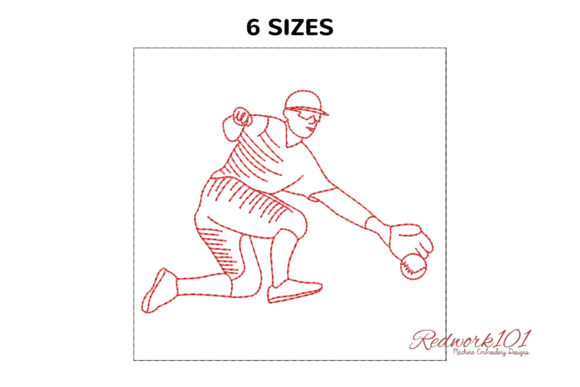
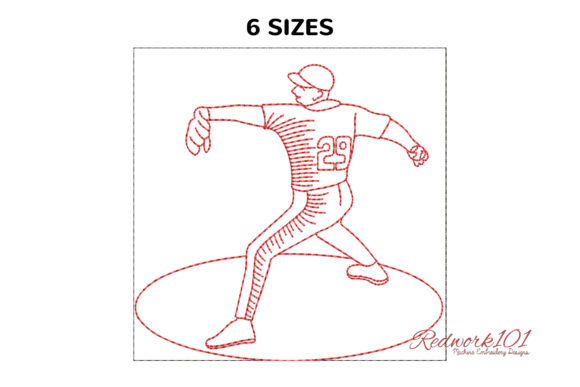
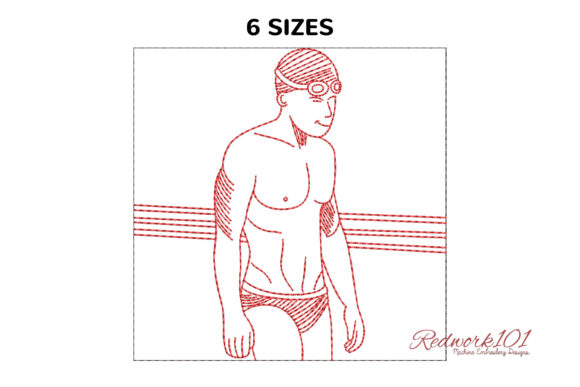
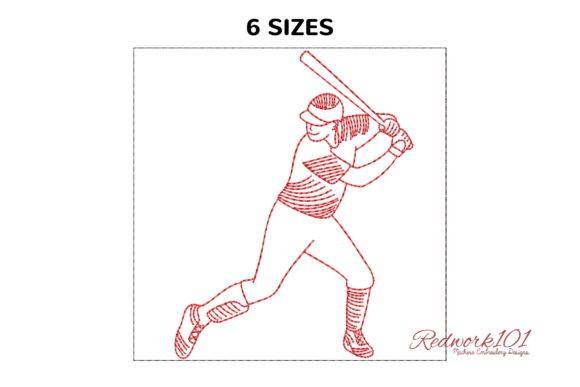
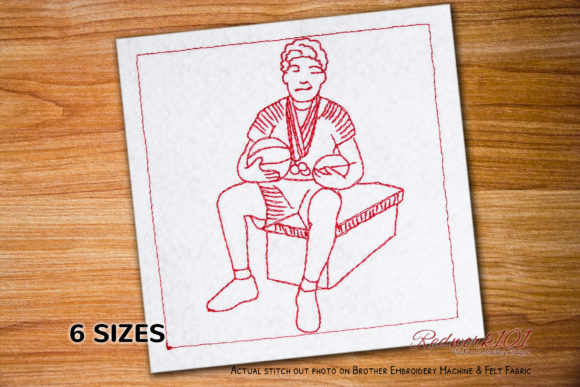
The "Basketball Player Posing with Basketball" design immediately caught my eye with its dynamic composition and clean lines. It’s not overly detailed, which makes it perfect for a variety of fabric types and personalization needs. The pose feels energetic yet friendly, suggesting a sense of joy and accomplishment rather than intensity. This gives the design a playful and modern vibe that can appeal to sports enthusiasts across generations.
I noticed that the outer box (if present) is usually a different color unless it's part of the design itself. That flexibility is great for customization. However, I recommend checking if the box stitch is optional in your specific embroidery file, as it may affect how you frame the design on finished products like pillow covers or tote bags.
Emotional Appeal and Personalization Potential
This design has a strong emotional pull. It works especially well for family keepsakes, such as a custom towel for a little league team or a personalized apron for a young basketball fan. The image of a player holding a ball conveys pride and passion, making it ideal for gifts with sentimental value. For handmade product creators, this kind of visual storytelling is invaluable—it helps buyers connect with the item beyond just aesthetics.
What stood out was how adaptable the design is for different life events. Whether it's a baby blanket with initials added, a wedding gift featuring the couple's favorite team, or a nursery wall hanging, the design maintains its charm while allowing room for customization. Its simplicity also means it won’t clash with other elements like names, dates, or additional graphics, which is key when creating personalized towels or embroidered pillow covers.
Applications Across Product Types
- Baby Blankets: Perfect for a themed nursery. Add the child’s name and birthdate beneath the design for a sweet, sporty touch.
- Embroidered Towels: Great for personalized gifts for teens or college students. Pair with a school logo or team colors for extra appeal.
- Pillow Covers: Use this design on a throw pillow for a living room or game-day decor. Make sure the hoop size matches your product dimensions.
- Custom Tote Bags: Ideal for fans looking for something functional yet stylish. The design adds character without overwhelming the bag.
- Aprons: Works well on a canvas apron for a birthday or housewarming gift. Consider using bright thread colors to make it pop.
- Nursery Items: Think onesies, bibs, or crib sheets for a future athlete. Just be mindful of small lettering and delicate details on stretchy fabrics.
- Wedding Keepsakes: A unique way to represent a couple’s shared love for sports. Stitch onto a memory blanket or guest favor item like a mini towel.
- Craft Fair Products: The design is simple enough to test quickly and attractive enough to draw attention at local markets or online stores.
- Etsy Listings: This design could easily become a bestseller if paired with thoughtful text and high-quality photos. It speaks to a niche market of sports-loving parents and gift-givers.
Where to Use with Caution
While the "Basketball Player Posing with Basketball" is a solid choice, there are some scenarios where it might not perform as expected. Here are a few things to consider before placing the design on real customer orders:
- Small Lettering: If you plan to add names or dates near the design, ensure they’re large enough to read clearly after stitching.
- Delicate Details: The lines in the design are fine, so testing on scrap fabric is essential to see how they hold up under tension.
- Textured Fabric: Avoid using this design on heavily textured materials like denim or flannel unless you're prepared to adjust stitch density.
- Thick Towels: The design may struggle with thick layers of terry cloth. You might need to use a thinner towel or reinforce with stabilizer.
- Stretchy Baby Clothes: Stretch fabrics can distort the pose slightly. Always do a test run before mass-producing items like onesies or bibs.
- Curved Surfaces: If you're applying the design to curved surfaces like mugs or round pillows, consider scaling down and adjusting placement carefully.
- Dark Fabric: The default thread colors may not show up well on darker backgrounds. Try lighter shades or metallic threads for contrast.
- Frequent Washing: For items like kitchen towels or aprons, check how the design holds up after multiple washes. Some designs may pucker over time if not stabilized properly.
Impact on Giftability and Customer Trust
One of the most important aspects of any custom embroidery is how it affects the perceived value of the product. The "Basketball Player Posing with Basketball" design elevates basic items into meaningful gifts. Whether it’s a blanket embroidery for a newborn or a personalized towel for a teen, the design adds a layer of professionalism and care that customers notice.
For handmade sellers and digital embroidery file users, this design enhances buyer engagement by offering a recognizable and positive image. People often look for embroidery that tells a story or reflects a hobby, and this one does exactly that. When used correctly, it can significantly boost customer trust in your brand’s attention to detail and creativity.
Photography and Presentation Tips
When showcasing the "Basketball Player Posing with Basketball" in your printable mockup or product photography, highlight the design’s clarity and vibrancy. On light-colored fabrics, it looks crisp and bold; on dark ones, a bit more planning with thread color is needed. I suggest preparing two mockups—one on a light background and one on a dark—to give potential buyers a full picture of what they’re purchasing.
Also, don’t forget to capture close-ups of the design to emphasize the level of detail and craftsmanship. As a handmade product creator, showing the precision of your work through imagery can make all the difference in converting a browser into a buyer.
Practical Embroidery Notes for Success
To get the best results with this design, follow these practical steps:
- Test the design on scrap fabric before working on final products.
- Check thread colors against your chosen fabric to ensure good visibility and contrast.
- Confirm the recommended hoop size for your design—this will affect stitch count and overall quality.
- Review stitch density settings, especially if you're using stretchy or thin materials.
- Use the appropriate stabilizer to prevent puckering or distortion during embroidery.
- Compare the design on both light and dark fabric swatches to understand how it translates visually.
- After stitching, inspect small details closely to ensure nothing was lost in translation.
- If you're selling finished products, always confirm commercial licensing terms to avoid legal issues.
Final Thoughts for Embroidery Makers and Gift Shop Owners
In conclusion, the "Basketball Player Posing with Basketball" is a standout machine embroidery design for anyone in the personalized gift space. It brings warmth and energy to everyday items and opens up creative possibilities for embroidery makers, gift shop owners, and Etsy sellers. While it doesn't require a deep knowledge of advanced embroidery techniques, it does demand thoughtful execution to maintain its charm and clarity.
Whether you're creating a small shop product for a local market or launching a new line on Etsy, this design can help you stand out in the competitive world of custom embroidery. Just remember to adapt based on fabric type, lighting, and the intended use of the product. With the right preparation, you’ll deliver a handmade product that customers cherish for years to come.