American Coot Machine Embroidery Review for Small Business Merch
First Impressions of the American Coot Machine Design
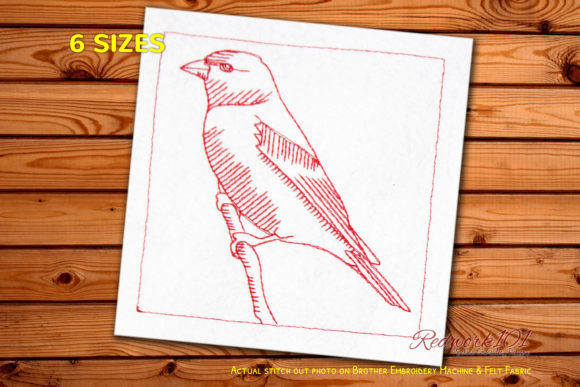
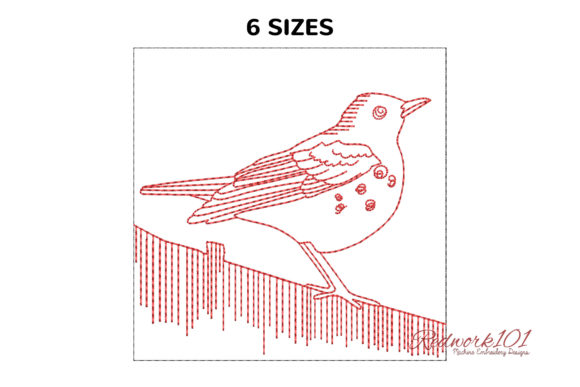
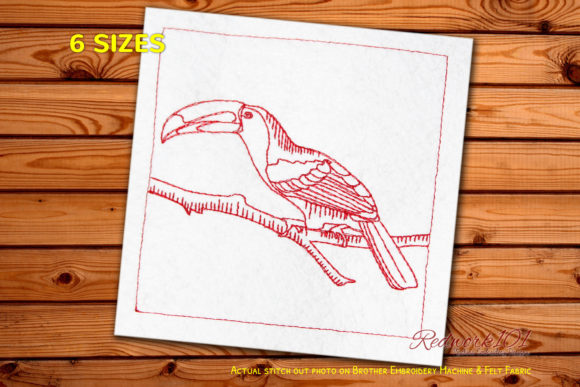
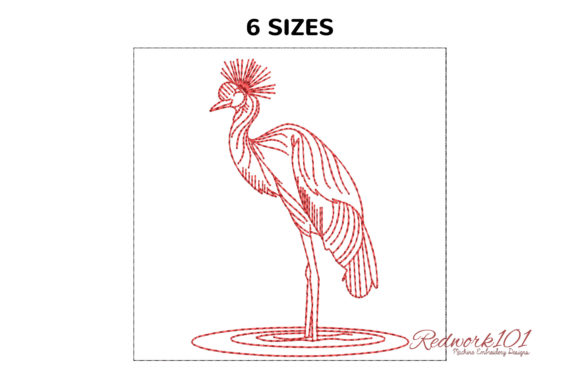
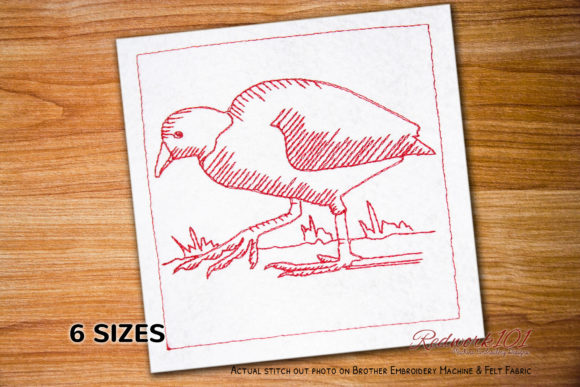
The American Coot Machine embroidery design immediately gives off a professional yet approachable vibe. Its clean lines and bold, recognizable silhouette make it an excellent candidate for branded merchandise. As an experienced embroidery designer, I appreciate how it balances simplicity with visual interest—perfect for small business owners looking to add personality without overcomplicating their branding.Real-World Performance in Business Applications
When evaluating the American Coot Machine for commercial use, I tested it across several common applications:- Embroidered Patches: The design works well as a patch for tote bags, uniforms, and even customer gifts. Its clear shape and optional border help it stand out, especially when using contrasting thread colors.
- Chest Logo Accent: On staff uniforms, the coot functions nicely as a subtle chest logo. It doesn't overwhelm the wearer but still offers a touch of brand identity.
- Sleeve Detail: Placed along the sleeve of aprons or work shirts, the design adds a playful yet professional detail that’s easy to spot at a glance.
- Cap Embroidery: For cap fronts, the design needs careful scaling. Too large, and it becomes distracting; too small, and details may get lost. A simplified version often performs better here.
- Tote Bag Markings: When used on tote bags, the American Coot Machine stands out beautifully, especially if placed centrally or near the bottom strap. It adds a unique mark to your branded items.
- Product Packaging Accents: The design can subtly reinforce brand identity on packaging labels or tags, particularly if paired with minimal text and a cohesive color scheme.
- Handmade Product Branding: For boutique-style shops or Etsy sellers, this design fits well into a handmade presentation. It conveys a sense of nature and authenticity, aligning with eco-friendly or artisanal branding themes.
Where to Use the Design with Caution
- Small Patch Sizes: If you plan to use it as a micro patch (under 1 inch), consider simplifying the design before production. Fine details may become lost.
- Cap Fronts and Curved Surfaces: The curvature of caps or curved garment areas can distort the design unless properly adjusted. Always test placement and scale.
- Tiny Lettering: If the design includes any text, avoid using it in very small formats. Legibility drops quickly with reduced size and stitch density.
- High Stitch Density Areas: The outer box option increases stitch count, so ensure your machine can handle it without puckering, especially on delicate fabrics.
- Detailed Outlines: While the optional box stitch provides definition, intricate outlines could complicate embroidery settings. Simplify if needed.
- Textured Fabric: The design may appear uneven or blurry on heavily textured materials like canvas or denim without proper stabilizer.
- Dark Uniforms: Thread color contrast is essential. Dark backgrounds require lighter thread shades to maintain visibility and brand recognition.
- Frequent Washing: High-stitch-density versions may lose clarity over time. Opt for a simpler layout or use high-quality polyester threads for durability.
Design Notes for Embroidery Shops and Merch Creators
Before moving forward with the American Coot Machine, here are some practical tips based on my experience:Test in Black and White First: Confirm how the design looks without color influence. This helps in choosing the right thread palette later.
Check Small Patch Compatibility: Resize the digital embroidery file and assess whether the design remains legible and appealing at smaller dimensions.
Review Thread Color Contrast: Ensure the chosen thread colors provide enough contrast against the fabric. Light-on-dark or dark-on-light combinations usually work best for brand visibility.
Inspect Spacing and Alignment: Look for tight spacing or overlapping stitches that might cause issues during embroidery or affect the finished product's appearance.
Confirm Hoop Size: If the hoop size isn’t specified, check the file to ensure it fits within your standard hoops. Oversized designs can lead to unnecessary material waste or stitching errors.
Test on Real Fabric: Always do a trial run on the actual fabric you’ll be using. This helps catch any issues related to stretch, texture, or tension.
Use Proper Stabilizer: Especially important for delicate or stretchy materials. Tear-away or cut-away stabilizers can prevent distortion and enhance stitch quality.
Create a Printable Mockup: Show clients a realistic image of how the design will look on their chosen item. This builds trust and reduces last-minute changes.
Compare with Other Design Assets: Make sure the American Coot Machine complements your existing logo or other brand elements visually and thematically.
Confirm Commercial Licensing: Before using the design in production, always verify that you have the correct commercial license. Many free files aren’t permitted for business use.